Call us for a free quote
01323 655 503 or 07736 690 888
Call us for a free quote
01323 655 503
or
07736 690 888
Invasive & Non-Native Plants
Invasive plants have a tendency to spread rapidly invading existing ecosystems and displacing native plant species
This can lead to damage to the enviroment, economy and health. Many of these species are specified in the wildlife and countryside Act 1981 for more information on UK legislation visit Gov.uk
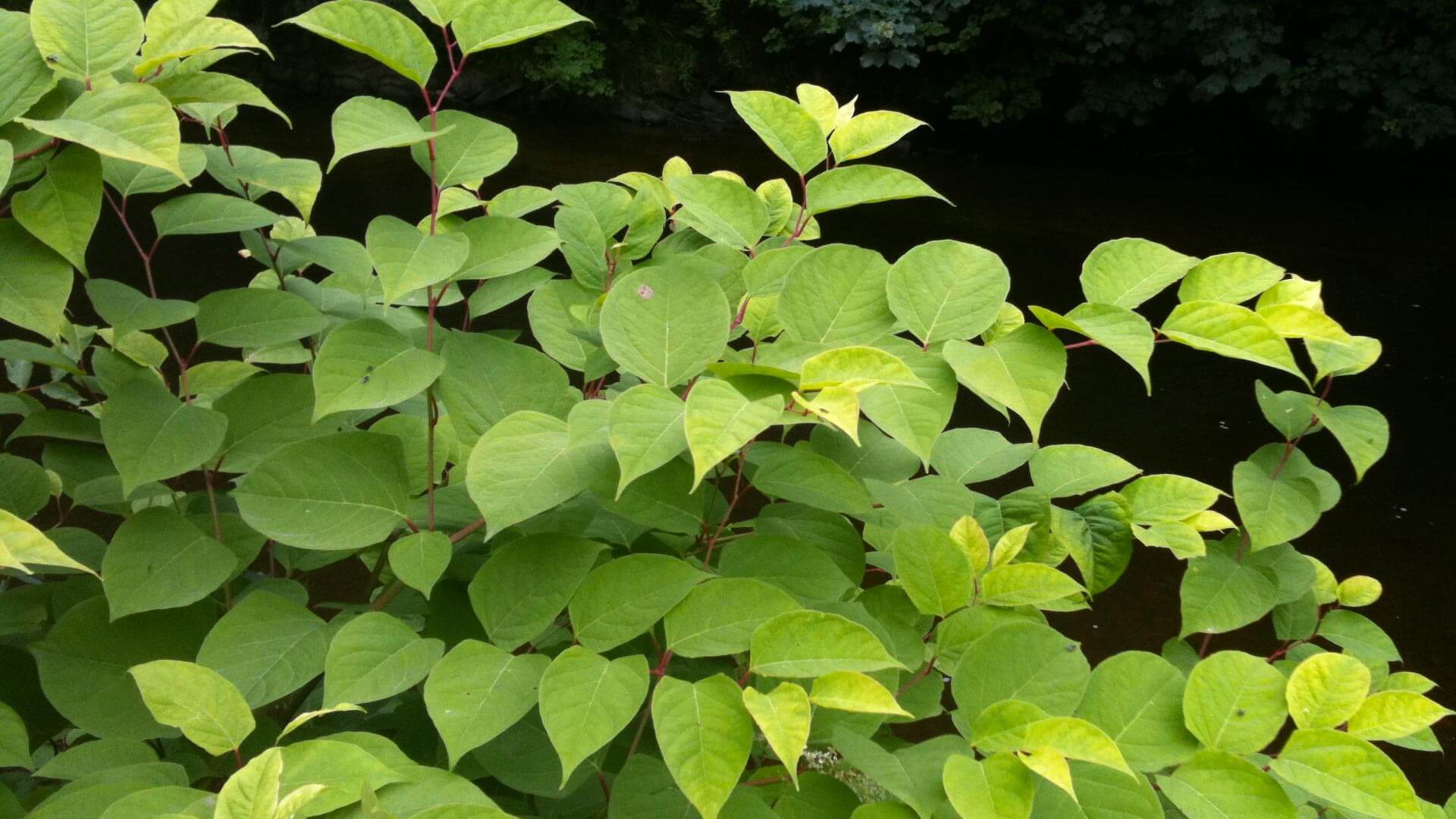
Japanese Knotweed
Non native and invasive plants are becoming a large problem in Britain, Japanese Knotweed alone is estimated to cost the UK economy £166 million a year! Japanese Knotweed can grow upto 20cm per day and can grow through concrete and tarmac. Due to its prolific and destructive growth its a problem that is better treated promtly – Click HERE to see our treatment services

Giant Hogweed
Giant Hogweed is invasive and potentially harmful to people and pets. Chemicals in the sap can cause photodermititis or photosensitivity, where the skin becomes very sensitive to sunlight and may suffer blistering, pigmentation and long-lasting scars. – Click HERE to see our treatment services
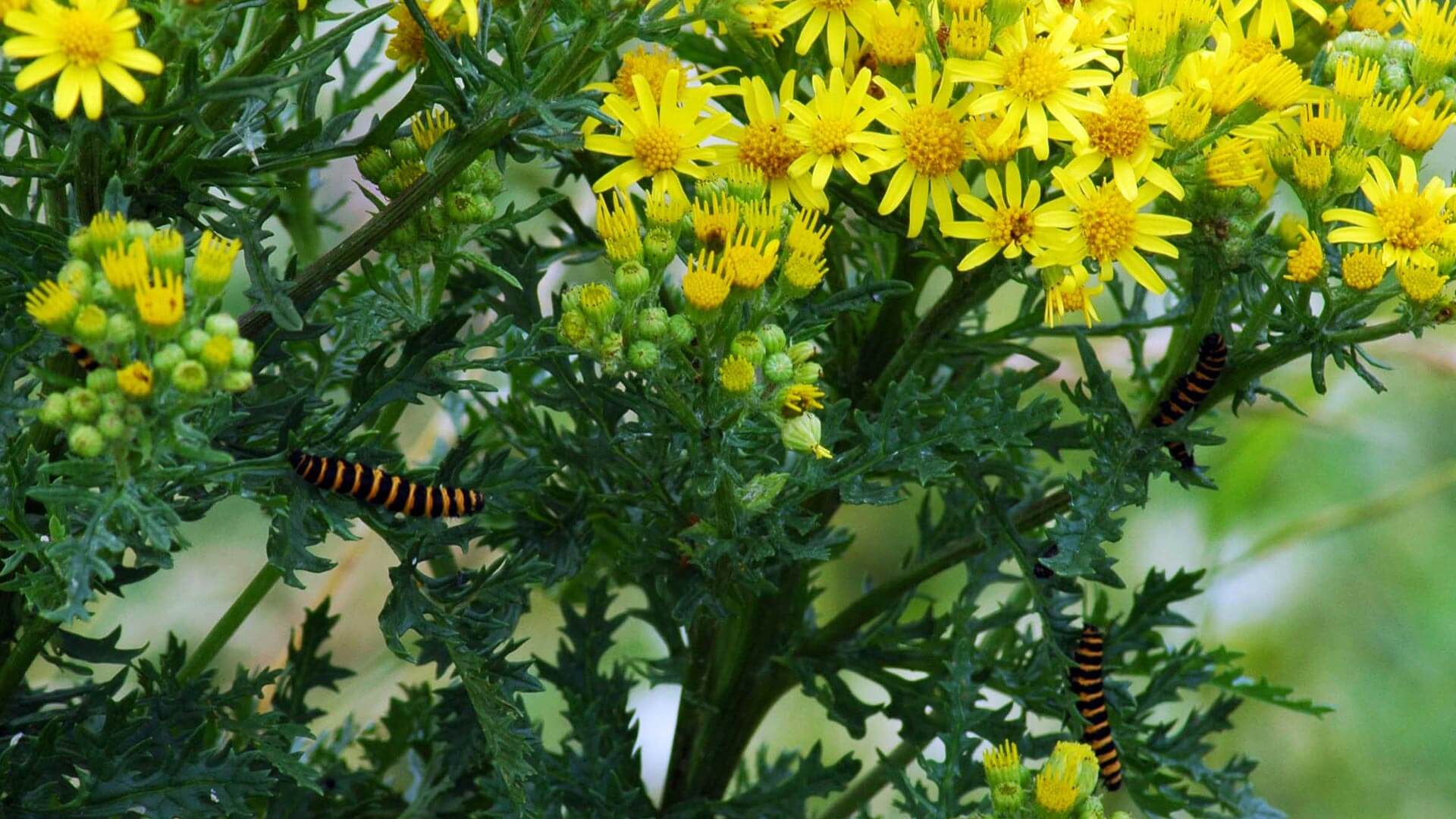
Ragwort
Ragwort is a potential killer, it is poisonous to livestock, eating ragwort can lead to liver damage that cannot be treated. Cattle and horses are particularly susceptible to poisoning. It is important therefore to ensure that before animals are allowed to graze, ragwort plants have been remove or have completely disappeared. – Click HERE to see our treatment services
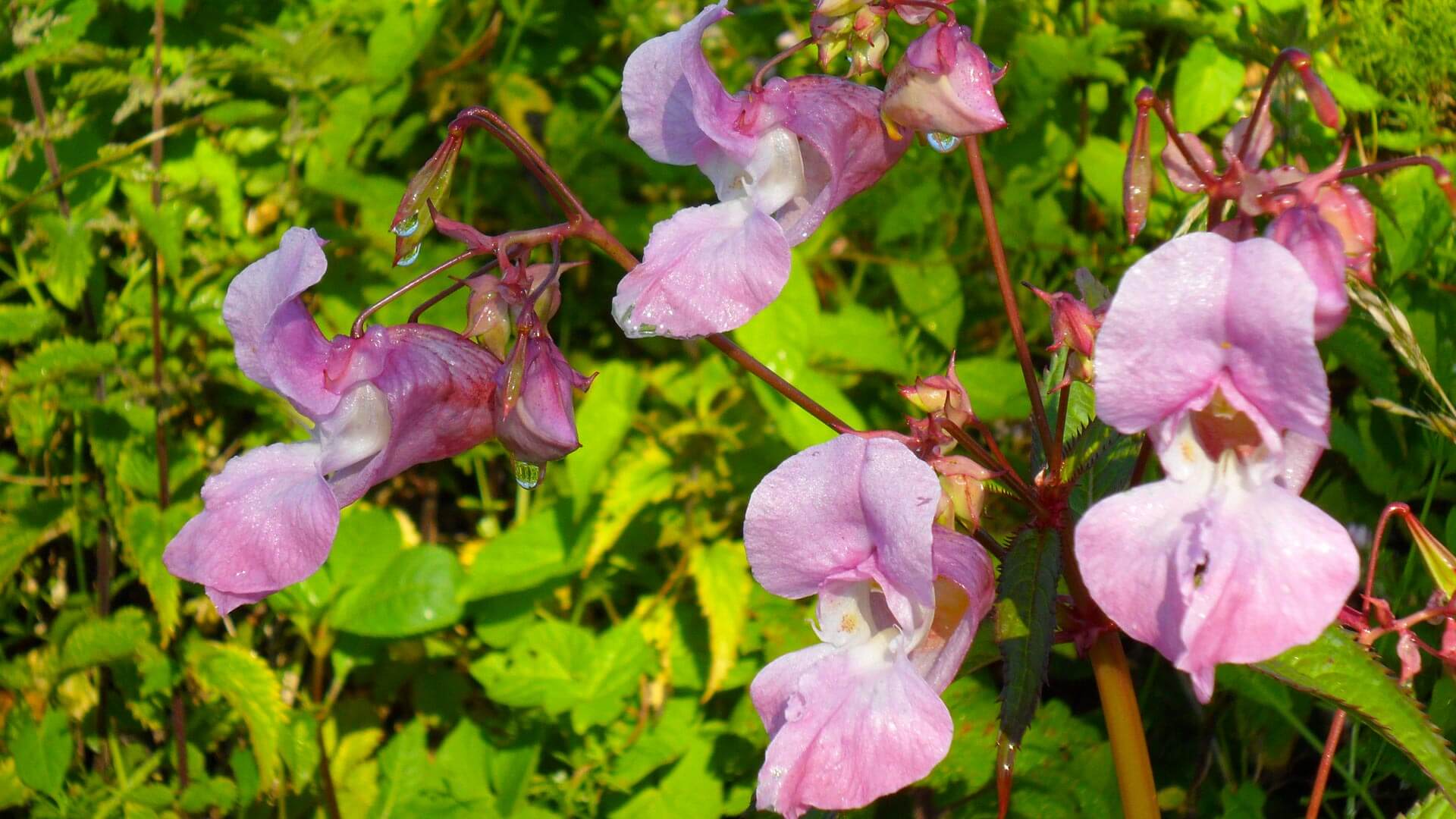
Himalayan Balsam
Himalyan Balsam is a major weed problem especially on riverbanks and waste land, but can also invade gardens. It grows rapidly and spreads quickly smothering other vegetation, each individual plant can produce 800 seeds and has a highly effective dispersal mechanism – Click HERE to see our treatment services
